


Products
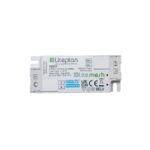

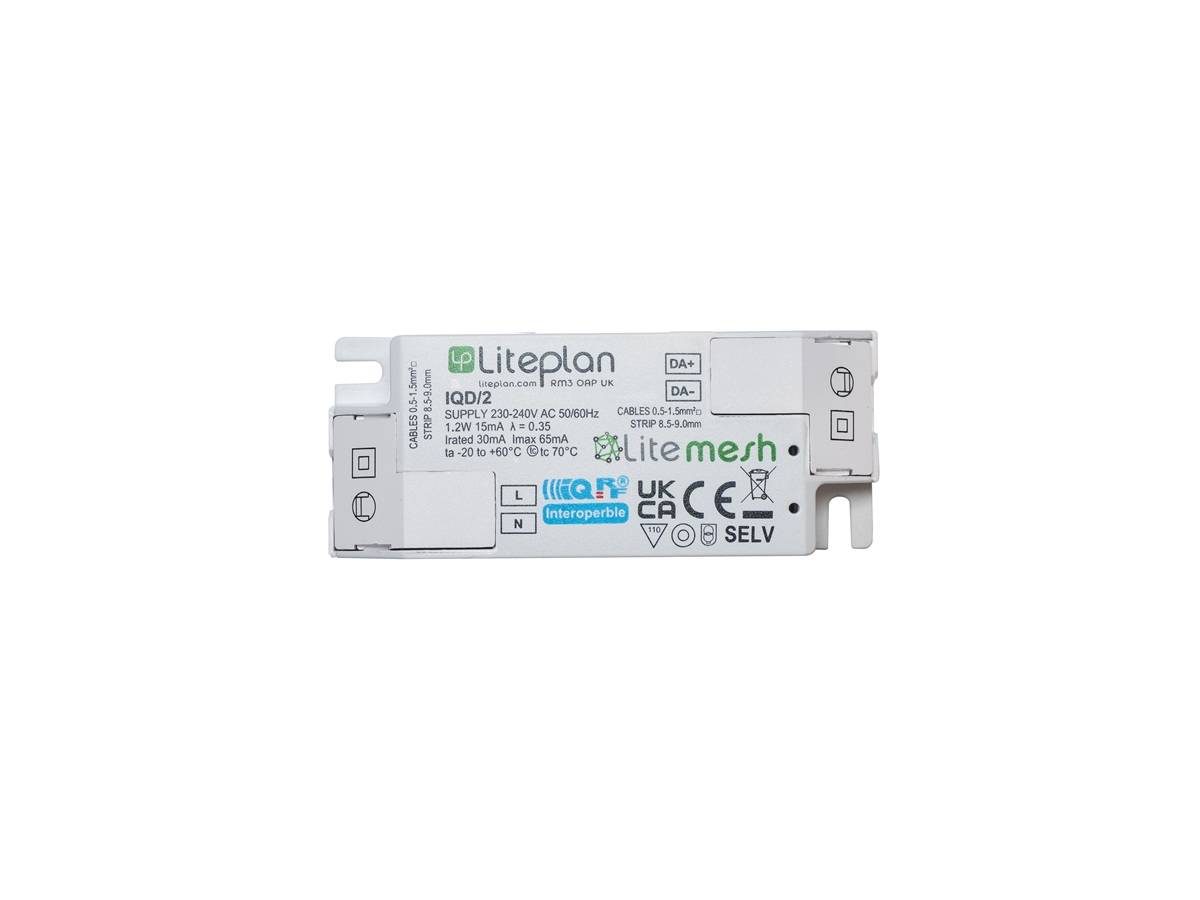

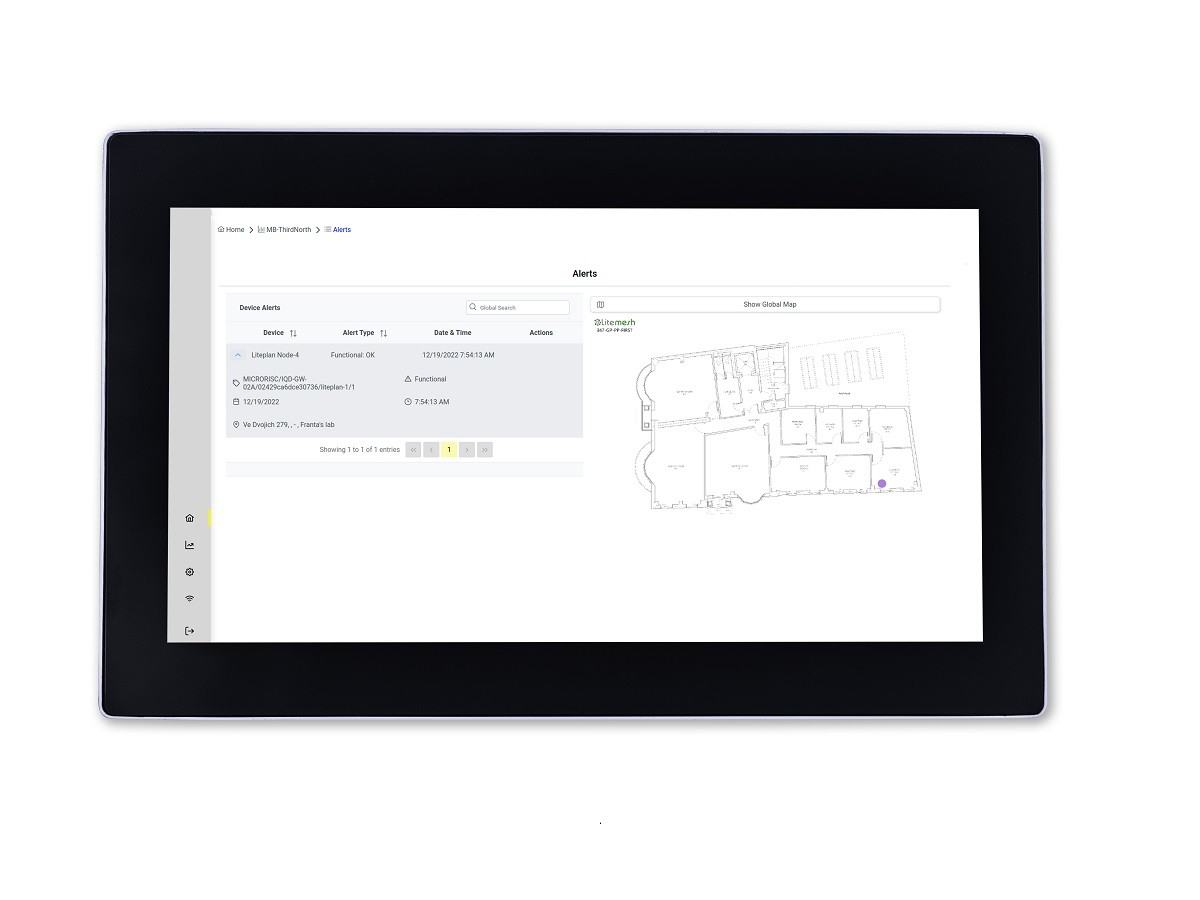
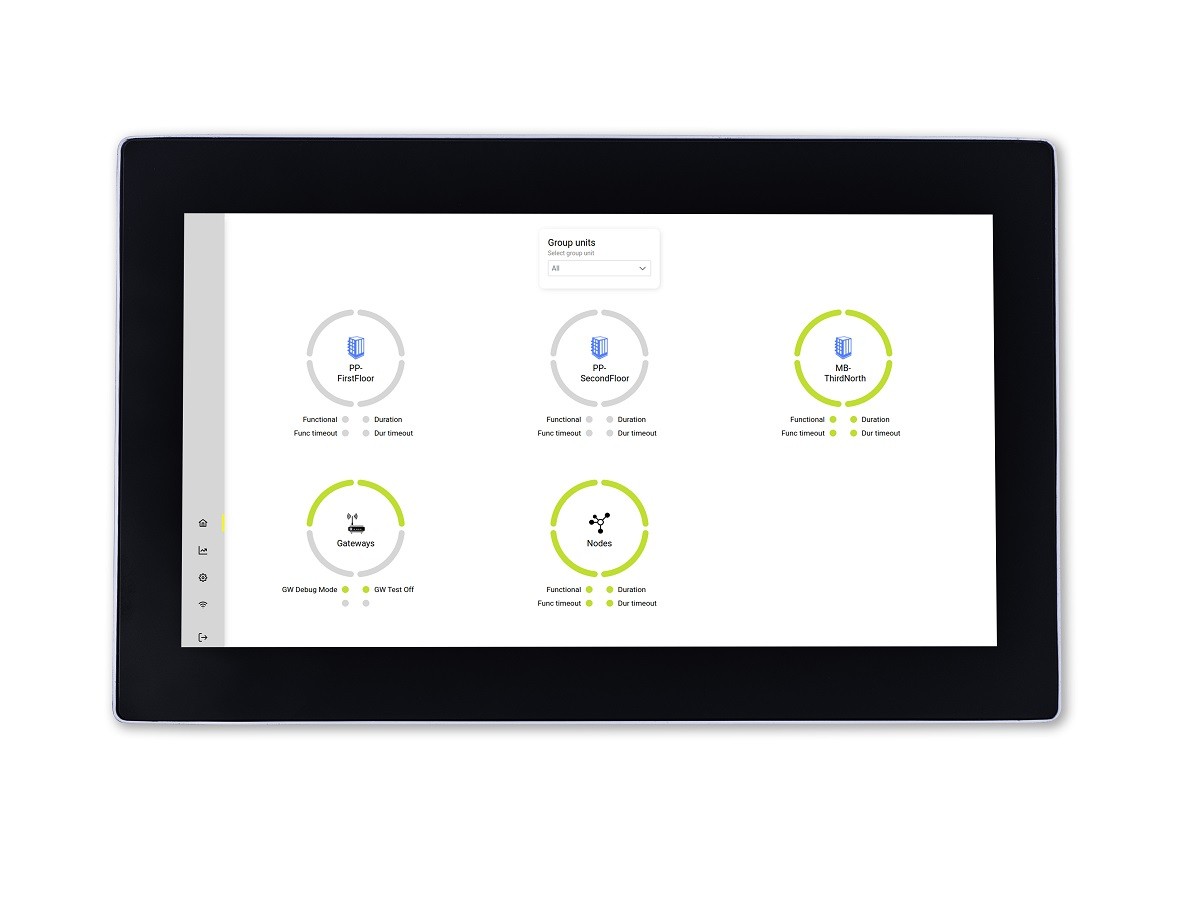
The LiteMesh network uses the IQRF protocol. This features mesh hopping capability. A secure, scalable and resilient mesh network. The network becomes stronger, the more it grows.
Technical Mesh Data:
IQMESH® routing protocol utilising optimised directional flooding brings outstanding network robustness
IQRF® DPA commands (a standardising language) assure simple integration and interoperability
OTA (Over-The-Air) service enables remote centralised network management lowering maintenance costs. All network communication is encrypted with AES-128.
Multilayer security based on industry standard 128-AES is extended by dynamic keys generation and exchange which makes wireless communication significantly more immune to cyber-attacks.
FRC® (Fast Response Commands) dramatically increases network throughput and reliability.
SW: OS + DPA + Appl. + SDK
Band: 433 / 868 / 916 MHz
Network topology: Mesh
Range (device to device): 500+ meters line of sight, up to 100 meters within a building.
Range (device to gateway): Tens of kilometres
Native multi-hop: 240 hops per packet
Routing algorithm: Optimised directional flooding
Security: Multilayer, AES-128, dynamic keys
Directionality: Bi-directional
End Devices OTA Management: for all operations needed
Main benefit: easy adoption / reliability
With 240 hops and robust routing, IQRF® is the best fit for large control applications, such as street lighting, emergency lighting or parking, where reliability and security is a must.
Each mesh hops data to the gateway which then reports to the cloud platform which can be viewed at any location via a web browser. The gateways are persistent without communication. Therefore, if for any reason communication is lost, data is held at the gateway until the signal is re-established.


The LiteMesh network uses the IQRF protocol. This features mesh hopping capability. A secure, scalable and resilient mesh network. The network becomes stronger, the more it grows.
Technical Mesh Data:
IQMESH® routing protocol utilising optimised directional flooding brings outstanding network robustness
IQRF® DPA commands (a standardising language) assure simple integration and interoperability
OTA (Over-The-Air) service enables remote centralised network management lowering maintenance costs. All network communication is encrypted with AES-128.
Multilayer security based on industry standard 128-AES is extended by dynamic keys generation and exchange which makes wireless communication significantly more immune to cyber-attacks.
FRC® (Fast Response Commands) dramatically increases network throughput and reliability.
SW: OS + DPA + Appl. + SDK
Band: 433 / 868 / 916 MHz
Network topology: Mesh
Range (device to device): 500+ meters line of sight, up to 100 meters within a building.
Range (device to gateway): Tens of kilometres
Native multi-hop: 240 hops per packet
Routing algorithm: Optimised directional flooding
Security: Multilayer, AES-128, dynamic keys
Directionality: Bi-directional
End Devices OTA Management: for all operations needed
Main benefit: easy adoption / reliability
With 240 hops and robust routing, IQRF® is the best fit for large control applications, such as street lighting, emergency lighting or parking, where reliability and security is a must.
Each mesh hops data to the gateway which then reports to the cloud platform which can be viewed at any location via a web browser. The gateways are persistent without communication. Therefore, if for any reason communication is lost, data is held at the gateway until the signal is re-established.
The LiteMesh network uses the IQRF protocol. This features mesh hopping capability. A secure, scalable and resilient mesh network. The network becomes stronger, the more it grows.
Technical Mesh Data:
IQMESH® routing protocol utilising optimised directional flooding brings outstanding network robustness
IQRF® DPA commands (a standardising language) assure simple integration and interoperability
OTA (Over-The-Air) service enables remote centralised network management lowering maintenance costs. All network communication is encrypted with AES-128.
Multilayer security based on industry standard 128-AES is extended by dynamic keys generation and exchange which makes wireless communication significantly more immune to cyber-attacks.
FRC® (Fast Response Commands) dramatically increases network throughput and reliability.
SW: OS + DPA + Appl. + SDK
Band: 433 / 868 / 916 MHz
Network topology: Mesh
Range (device to device): 500+ meters line of sight, up to 100 meters within a building.
Range (device to gateway): Tens of kilometres
Native multi-hop: 240 hops per packet
Routing algorithm: Optimised directional flooding
Security: Multilayer, AES-128, dynamic keys
Directionality: Bi-directional
End Devices OTA Management: for all operations needed
Main benefit: easy adoption / reliability
With 240 hops and robust routing, IQRF® is the best fit for large control applications, such as street lighting, emergency lighting or parking, where reliability and security is a must.
Each mesh hops data to the gateway which then reports to the cloud platform which can be viewed at any location via a web browser. The gateways are persistent without communication. Therefore, if for any reason communication is lost, data is held at the gateway until the signal is re-established.